Takayama Noboru
2012.10.27–12.22
Takayama Noboru
2012.10.27–12.22
Takayama Noboru
2012.10.27–12.22
Takayama Noboru
2012.10.27–12.22
Takayama Noboru
2012.10.27–12.22
2012.10.27–12.22
2012.10.27–12.22
2012.10.27–12.22
2012.10.27–12.22
2012.10.27–12.22
Solo Exhibition
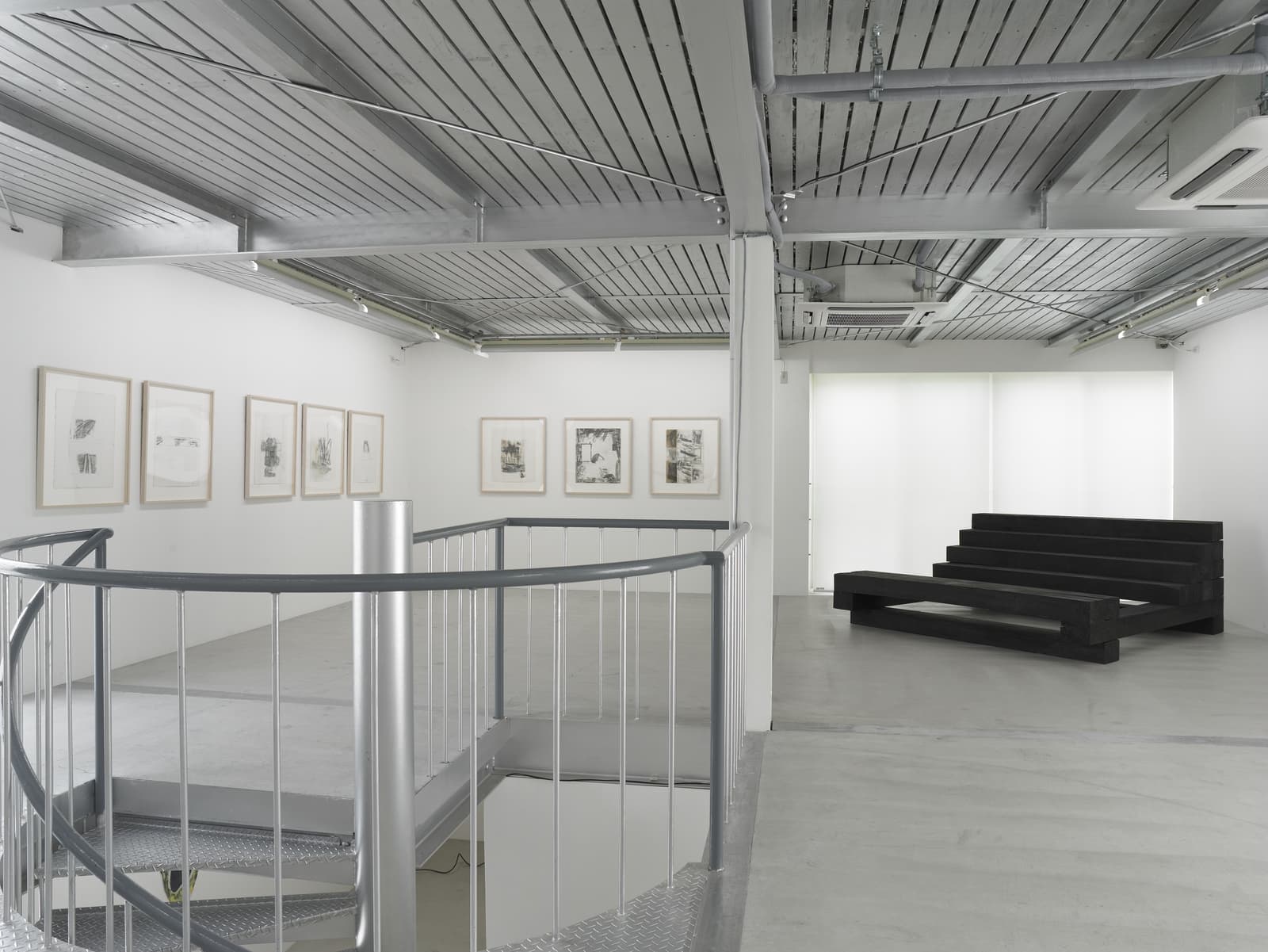
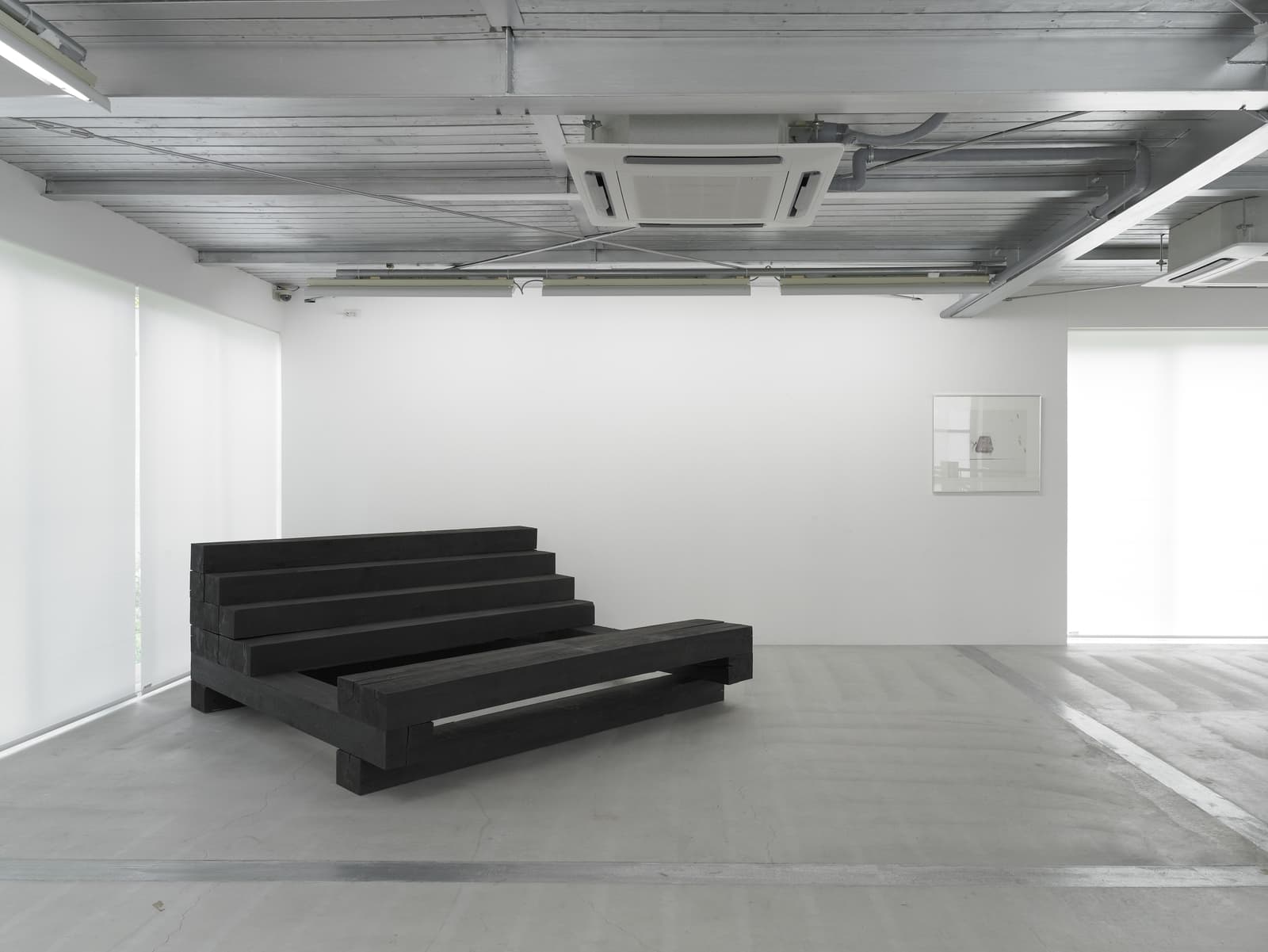
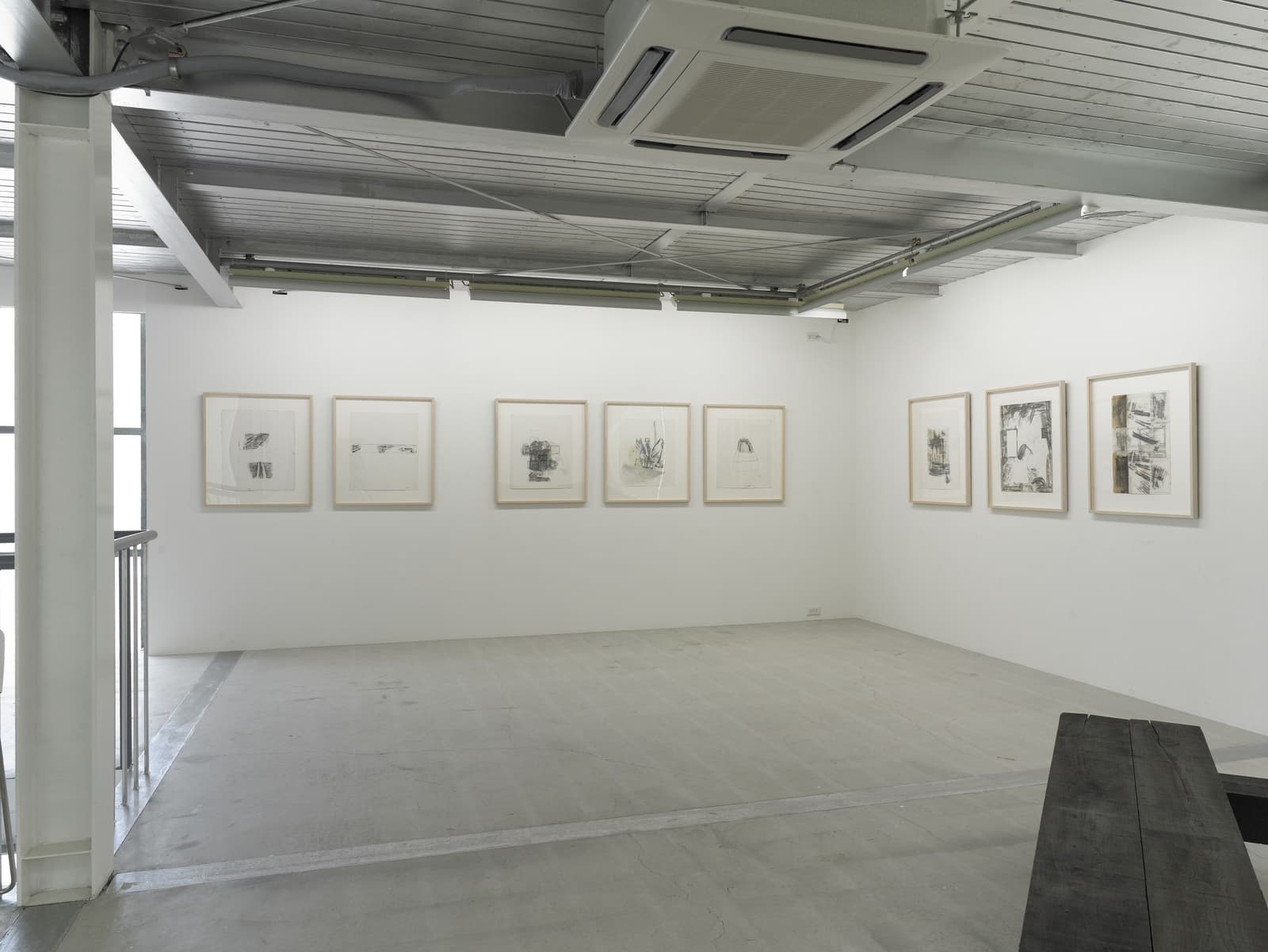
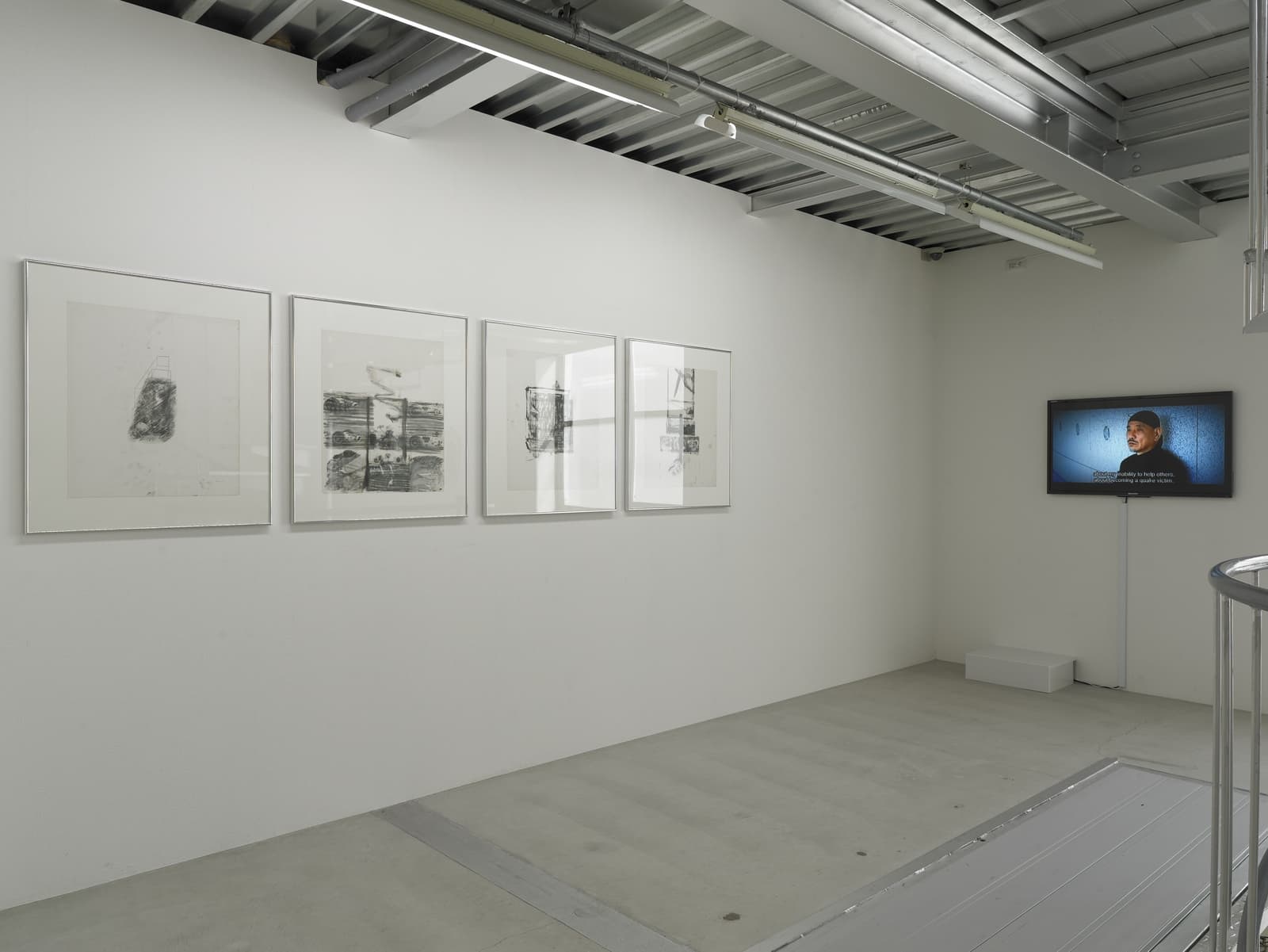
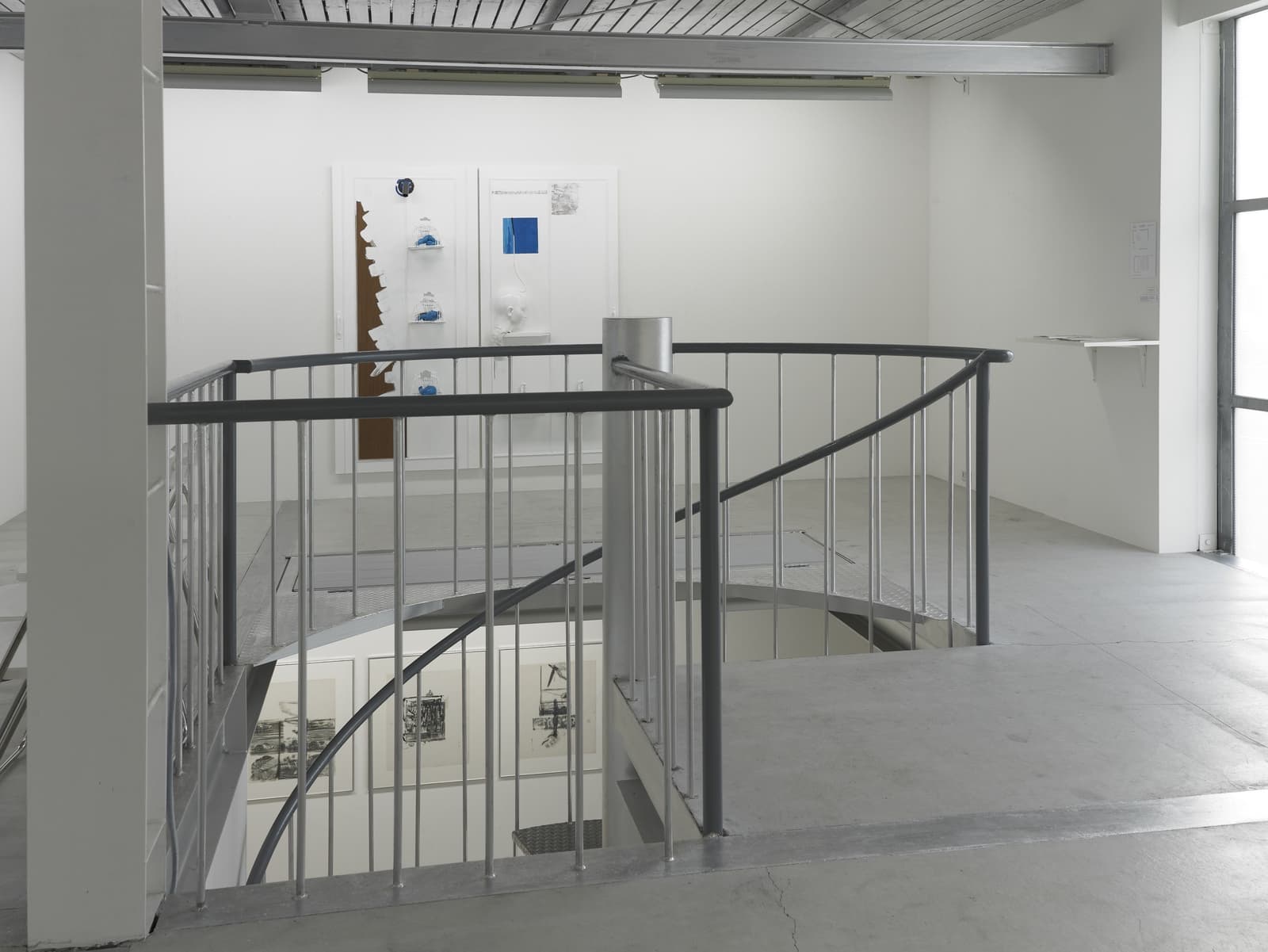
TAKAYAMA Noboru (1944–) is one of the main artist of “Mono-ha.” One of his early work titled “Mouse trap” (1968) was re-created by the artist for this exhibition. His typical work that is composed of railroad tie is also on display. In addition, you can see the some drawings and documentary video of his activity after earthquake (2011.3.11) in Miyagi prefecture.
Someone once said to me, “Where are you going, carrying a railroad tie on your shoulder?” Well then, where am I going?
I first exhibited a railroad tie piece in 1969. The year before, in 1968, I began making trial works in the neglected garden of my apartment in Totsuka. Throughout the 1960s, while working on assignments at university, I agonized over what I should be expressing. In those days, news of new art movements—Abstract Expressionism, Art Informel, the wave of American Pop Art—was washing over Japan as well. In Japan, too, “Gutai” and “Neo-Dada” were active as the avant-garde. As the generation that came after them, while I was struggling with what I should do, I became transfixed by Robert Rauschenberg and Jasper Johns. I was especially captivated by Rauschenberg’s combine technique, and starting in 1965 I began picking discarded mimeograph stencils out of the trash and making transfer prints from them. After that, I gathered advertisements and photogravure images from weekly magazines and started on a “Transfer” series, using Lutosé as the transfer solution. This was, in a sense, also a kind of image training for myself. Among these works was one in which a railway track had been transferred—though I never imagined then that it would lead to work built around the image of railroad ties.
Around the time I finished my undergraduate degree, after much thought about what to do next, I began making railroad ties as a way of posing, through them, the various doubts and questions that had arisen when I wandered around the coal mines of Hokkaido during my student years. Railroad ties carry all sorts of associations. And yet, not knowing what could be created from their weight and simple form, I began attempting to construct with them. Behind the ties lay an awareness of the problems of modernity and a requiem for the dead, but what I ended up constructing transformed into something else entirely.
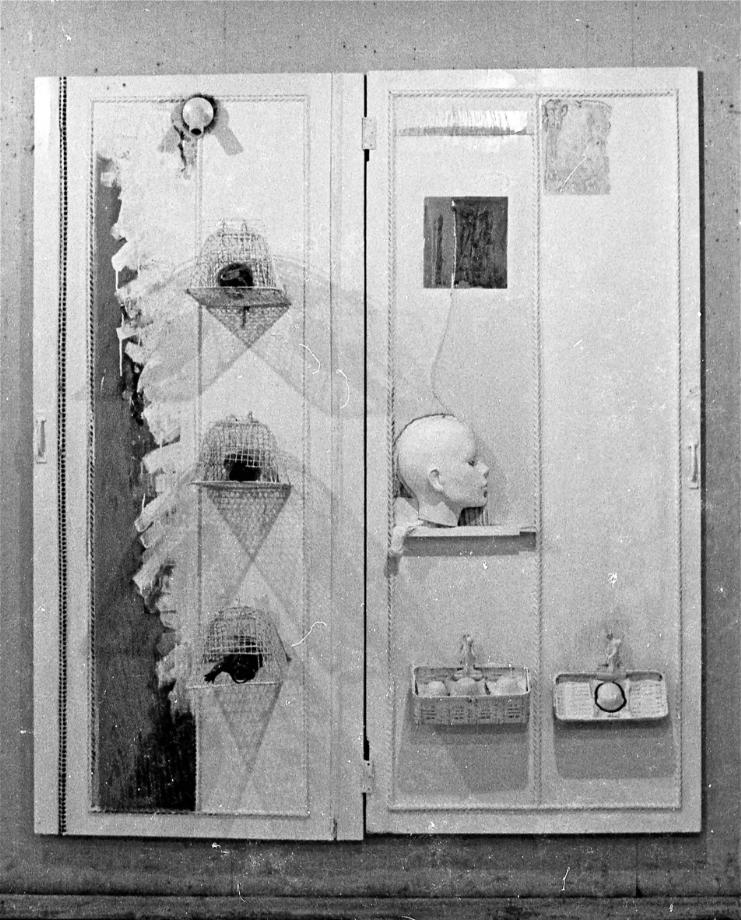
This exhibition draws heavily from the “Transfer” series—works combined from printed materials I picked up and collected during that era. And the piece being remade for this occasion, “Rat Trap” (Nezumitori), is a work composed of things gathered from daily life in that Totsuka apartment, where I fought a daily battle against rats. Remaking a work from 44 years ago, when none of the original materials remained, I had to rely on photographs to recreate it—and it may well have turned out different from the energy of the original. That, too, can’t be helped. There is also “Play-Kill Image” (Yūsatsu Image), an edited work made from footage I gathered on 8mm film in the 1970s as a form of image training, and a documentary video made in the process of preparing my retirement exhibition at Tokyo University of the Arts (2011), created after experiencing 3.11.
The motifs for these works came from things I witnessed and experienced in my own lifetime, and I can only hope that they accumulate into memory, into some unnameable energy, into expansiveness, into questions, and ultimately into a requiem. I have worked by reading the relationship between the nature and humanity that surround us, between time and between society and humanity, as a relationship of violating and being violated. Whether these expressions—fleeting as they are—can truly become “expression,” can truly become “art,” I do not know. But the tension of feeling and making is a joy. And yet—is it merely an illusion that the world seems to be walking, sadly, toward closing itself off, tossed about by its own desires?
Time is running short now, but I spend my days asking myself, over and over: what have I been trying to do, and what am I trying to do now?
October 2012
Takayama Noboru
1960年代末より70年代初頭を中心に日本現代美術の大きな動向となった「もの派」。今展では、その代表的作家の一人である高山登(1944–)の作品の中より、作家活動初期にあたる1968年の作品「ねずみとり」および「地下動物園(部分)」の展示を軸に、その周辺時期のドローイングや昨年の東日本大震災後に作家の活動拠点である宮城で撮影されたドキュメント映像(ディレクター: 村井啓乗氏)などを合わせて展示致します。
「ねずみとり」は初めての画廊スペースでの発表(二人展)を行った際に制作されたもので、扉やマネキンの頭部、ネズミ捕りなどが使われ、オブジェと絵画が組み合わされたコンバイン・ペインティングです。その後は保存されず、長年にわたり資料でしか見ることのできない作品となっていました。作家の活動をたどる上で大変重要なこの作品を作家の手により今展で初めて再制作致します。また、同じ年に試作され、翌年発表された「地下動物園」は、作家が今日まで取り組み続けている象徴的作品である枕木を使用した最初の作品です(今展での展示は一部分のみで1995年再制作)。戦時中、日本がアジアを侵略した歴史のなかで行った鉄道敷設や国内各地の炭鉱の坑道を走る線路・・・。近代化のなかで消えていった命を人柱のように感じ、鎮魂の思いから枕木作品に取り組み始めたという作家の根底には「物質と記憶」というテーマが一貫して存在しています。
生と死の境界を表すかのようなパーツで構成された「ねずみとり」や、自らが被災者の一人にもなった震災後の現地を見つめる作家のまなざしからは、作品を作り出す過程で生や死や命と強く向き合い続けてきたことがうかがえます。作家の原点とも言えるニ作品と、その後の作品への構想を垣間見るドローイング、そして今日へと繋がる被災地での活動映像を同時にご覧頂ける貴重な機会になることと思います。ぜひご高覧下さい。(※映像では、1973年発表・2010年再編集の「遊殺イメージ」も合わせてご覧頂けます。)
いつだったか誰か、「枕木担いで何処へ行く」といった。さて何処へ行くのか。 枕木の作品を最初に発表したのが1969年。その前年1968年から戸塚のアパートの荒れ果てた庭で試作をはじめる。1960年代は大学の課題制作をしながら何を表現すべきか悩み苦しんでいた。その頃の新しい美術の情報、抽象表現主義、アンフォルメル、アメリカンポップアートの波が日本にも押し寄せて来た。日本においても「具体」「ネオダダ」が日本の前衛として活動していた。その次の世代として、何をすべきか悩んでいた頃、ロバート・ラウシェンバーグ、ジャスパー・ジョーンズにくぎづけにされた。特にラウシェンバーグのコンバイン技法に魅了され1965年から謄写版印刷の終了した原紙をゴミ箱から拾い、転写を始めた。その後、週刊誌等の広告、グラビア等を集め「転写」シリーズに取りかかった。転写液はルツーセを使用した。そして、それはイメージトレーニングのつもりでもあった。その中に鉄道の線路が転写されたものがあるが、その後の枕木をイメージした仕事になるとは予想もしていなかった。学部卒業の頃に今後何をすべきか考えたあげく、大学時代に北海道の炭坑を歩き回った時の色々な疑問、問題を枕木をとおして投げかけてみようと、枕木作りが始まった。枕木にはいろいろなイメージがつきまとう。しかし、重さと単純な形態が何を創り出せるのか、疑問を持ちながらそれらの構築を試み始めた。枕木の背後には、近代の問題、死者への鎮魂を意識していたが、その構築されたものは別なものへと変容していった。
今回沢山の「転写」シリーズからの展示となるが、その時代に目にしていた印刷物を拾い集めコンバインしたものである。そして再制作となる「ねずみとり」は戸塚のアパートでの生活から身の回りにあるものを集め構成した作品である。毎日ネズミとの戦いでもあった44年前の再制作をしてみて、当時のものが無く、写真をたよりに創ってみたが、当時のエネルギーとは違ったものになったかもしれない。それも仕方ない。1970年代、8ミリフィルムにより拾い集めた映像でイメージトレーニングをしていたものを編集した「遊殺イメージ」、そして3.11を経験し、東京藝術大学退任展(2011年)の制作に向かうドキュメントビデオを展示する。これらの作品は私の生きた時代に視、経験した事物がモチーフとなり、その記憶、何か解らないエネルギー、広がり、疑問、そして鎮魂へと集積されることを祈るばかりである。我々を取り巻いている自然と人間、時間、そして社会と人間の関係を犯し犯される関係として読み込み、仕事をして来た。そして、一過性にすぎないこれらの表現が本当に表現になりうるのか、芸術になりうるのかは私には解らないが、感じ、創る事の緊張感は楽しい。が、世界が悲しいまでに欲望に振り回され、世界を自ら閉じようとしている方向へ歩いている様に見えるのは錯覚であろうか?
時間はもう残り少ないが、何をしようとしてきたのか、何をしようとしているのか、自問自答の日々である。
2012年10月 高山 登